

As a WLI alumni representative, mother of three children, Central Queensland University graduate, and Team Leader at Water PNG, Sophie Sindra Hepota definitely knows a thing or two about juggling work, study, and family life.
We caught up with Sophie, who’s from Papua New Guinea (PNG), to talk about her WLI journey – a passage that has brought highs as well as lows.
“For me, balancing motherhood and my professional life has never been straightforward. There have been times when I have had to make some very difficult decisions, especially leaving my children at home in PNG to study in Australia, which was emotionally challenging to say the least,” reflects Sophie.
“As mothers, we often find ourselves weighing up our own aspirations against the needs of our families but sometimes, there is no perfect choice.”
Things came full circle when – once back in PNG after completing her studies – Sophie chose to take a step back from her career to be there for her family.
“You make the decision you believe is best for your children, even when it means putting your own plans on hold. Life and career decisions are not always linear.”

A sense of responsibility
Sophie openly acknowledges that as a Papua New Guinean woman from a tight-knit small rural community, she carries certain cultural obligations and expectations when it comes to caregiving and community involvement.
“Coming from Manus Island, I value the strong sense of family and community that is part of our Pacific way of life. We are brought up to understand that we have responsibilities towards one another, and that family decisions are often about more than just ourselves.”
“That sense of responsibility has influenced many of my own decisions as a mother and a professional. I believe there are times when supporting your family means making sacrifices and adjusting your own plans.”
As a “pihin” (elder daughter), Sophie often struggled with putting her own needs and aspirations first.
“I lost both my parents young and I had to care for my seven brothers while juggling my studies. I had to mature and quickly learn the culture and traditions which instil independence and resilience. Our island’s extended and kinship system provided me with both individual and community support,” recalls Sophie.

A shared load
Sophie strongly believes that caregiving should not rest on one person's shoulders and that equality in both family and community is vital for women’s professional development and personal wellbeing.
“Our Pacific values of family, faith and community are beautiful because they remind us that we are there for one another; it takes a village to raise a child. Our intricate tapestry of culture and tradition are interwoven into the fibre of our being that gives us both the resilience and respect to co-exist with one another in harmony.”
However, as Sophie notes, in many Pacific families, women carry significant responsibilities for children, household, and extended family, which can impact a woman's career progression, financial independence, and future opportunities.
“We do these things out of love and a sense of responsibility, which are often not recognised. I would like to see Pacific communities continue to uphold their unique cultural values while encouraging more shared responsibility between men and women.”
“A woman is a valued member of the community, and she is a great ally and support to both community and a nation’s growth when she is fully supported and given equal opportunities."
Sophie adds that “recognising unpaid care work means acknowledging that caregiving has real value and that the people doing it deserve support. It also means understanding that when a woman steps away from paid employment to care for her family, she is still contributing in a meaningful way.”

A powerful network
According to Sophie, women in the Pacific need to be better supported and empowered through “community collaborations, family initiatives and government policies.” Adding that “workplaces can help by offering flexible working arrangements, career breaks where possible, opportunities to return to work, and professional development that remains accessible to parents and caregivers.”
Maintaining professional networks and providing mentoring can also help women stay connected to their fields during periods away from employment, adds Sophie, who feels this is particularly important for women leaders in the Pacific.
“We encourage women to become educated, take on leadership roles and contribute to national development. But we also need to recognise the realities of family responsibilities as well as cultural expectations.”
Ongoing support from WLI
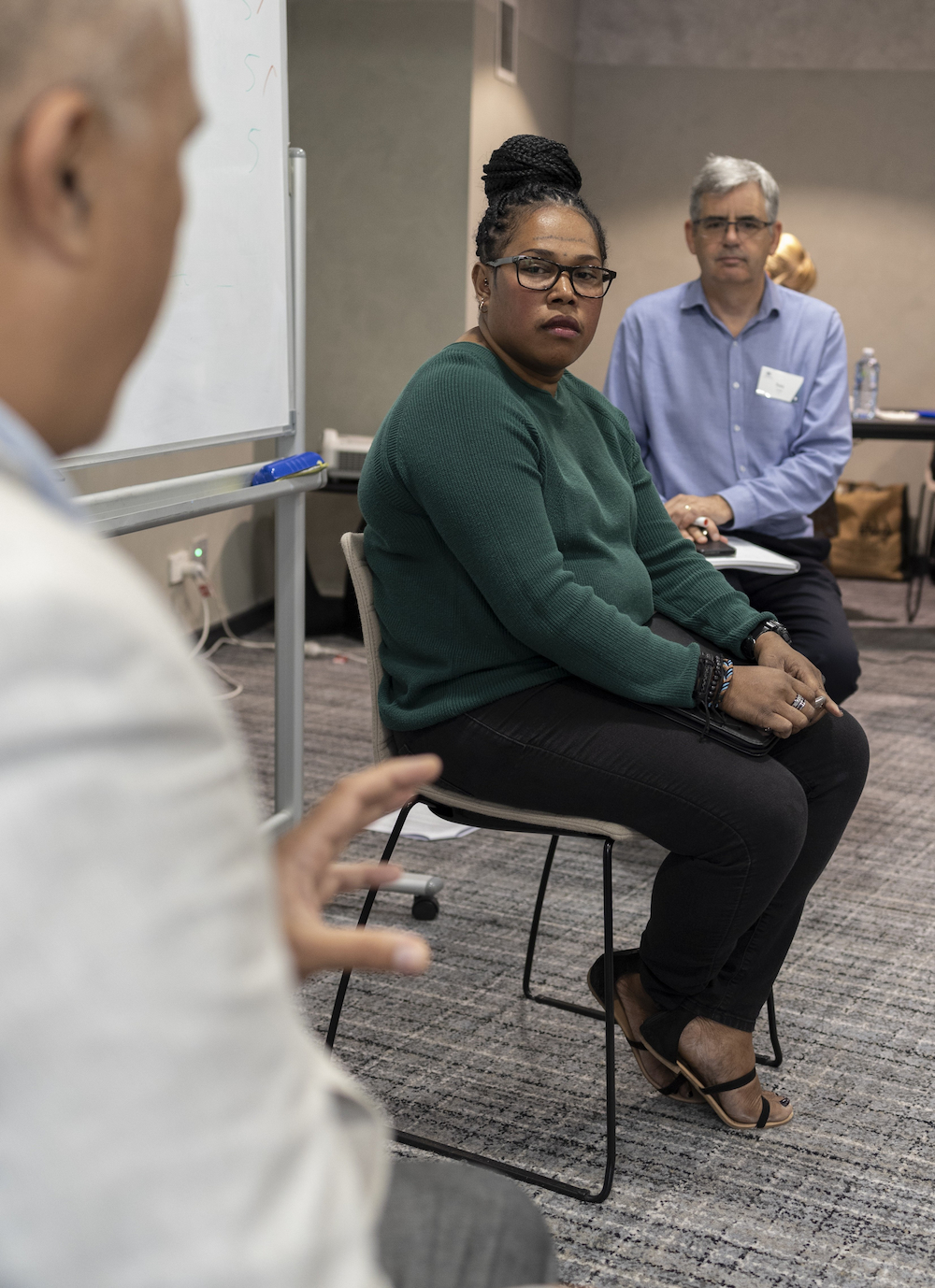
Talking of support, Sophie says she really appreciates how WLI’s assistance doesn't end when the formal program finishes.
“For over more than five years, I've been able to reconnect with coaching at different points in my journey. Sometimes these have been conversations for connection and strategy, at other times opportunities for much deeper reflection, personal insight and transformation. There has been a real value in that ongoing assistance – having someone to walk alongside me from time to time as my circumstances and priorities change.”
“I've also valued access to counselling, the online Leaders Hub and, most importantly, the friendships and encouragement of other WLI alumni. Having that continuing community and support has made a real difference to me, and I want other alumni to know that they too can reach out and reconnect, even if they haven't been involved for some time.”
***
WLI provides on-demand coaching to WLI participants and alumni, either in person or online. Explore our Ontological coaches’ bios.