
International Day for the Elimination of Violence against Women focuses on one of the most widespread and pernicious human rights violations in the world: gender-based violence. From domestic abuse and sexual assault to forced marriage and trafficking, violence against women and girls remains a persistent, prevalent issue globally.
According to the World Health Organization, 1 in 3 women worldwide has experienced physical or sexual violence in her lifetime, mostly at the hands of an intimate partner. Gender-based violence disproportionately affects marginalised women including women of colour, Indigenous women, disabled women, migrants, refugees, and women living in conflict zones.
Gender-based violence in the Pacific
The Pacific has one of the highest recorded rates of violence against women and girls globally – with *two out of three women subjected to physical and/or sexual violence in their lifetimes.
Along with high rates of violence, women and girls in the Pacific region experience constant and continual inequalities, including low levels of participation in decision-making, limited economic opportunities, and restricted access to critical services and rights.
Making a difference
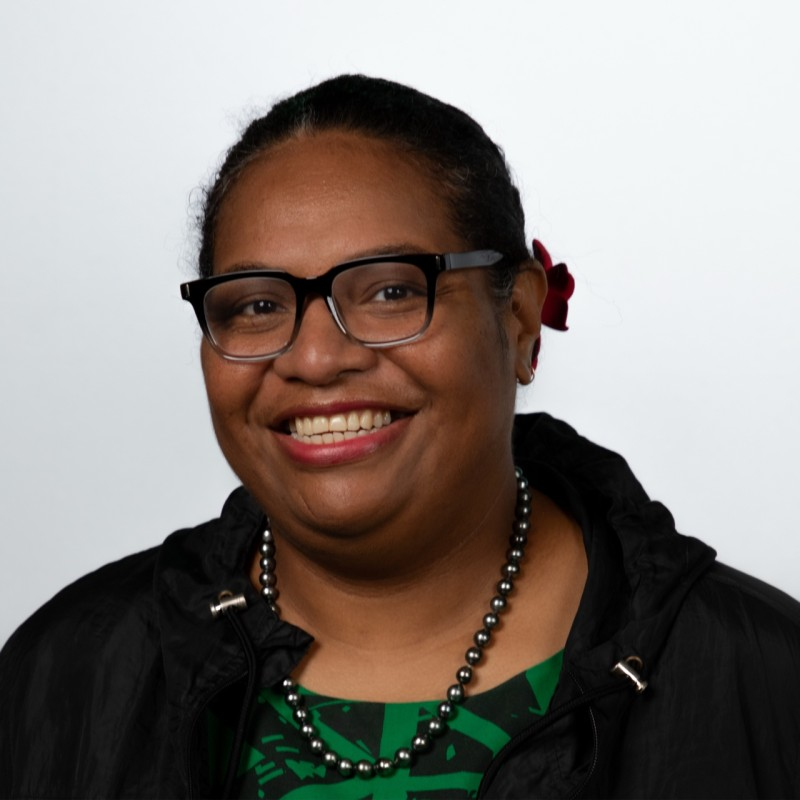
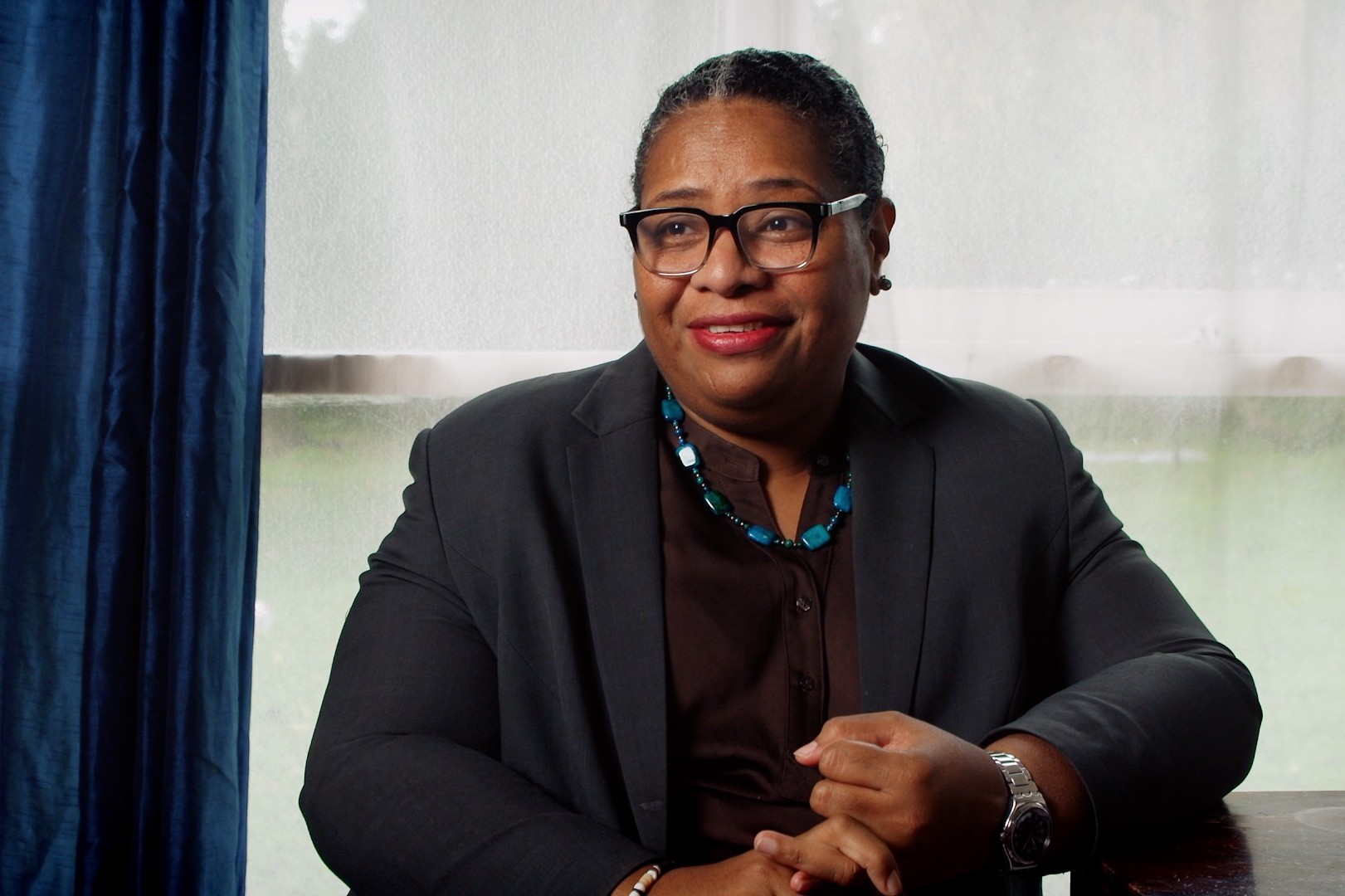
Experienced lawyer, WLI alumna and PhD Candidate in Law at the University of Melbourne, Alumita Leknaua from Fiji, is currently conducting research with the Australian Research Council’s Centre of Excellence for Eliminating Violence Against Women (CEVAW). As a socio-legal researcher, Alumita’s work is centred on addressing violence against women across Australia and the Indo-Pacific region. Her research thesis: Pathways to Justice: An examination of Professional Women as Victims/Survivors of Domestic Violence in Fiji aims to explore the justice needs of professional women who have experienced domestic violence and whether these needs are being met. Her thesis examines pathways to justice regarding help-seeking behaviours and practices among professional women in Fiji as victims/survivors of domestic and family violence.
Here, we spoke with Alumita, seeking her expert insights on tackling violence against women in the Pacific region.
Q: Eliminating violence against women (VAW) is one of the major challenges of the 21st century. Awareness of the problem has grown exponentially, but arguably, solutions to it have not. In terms of effectively tackling VAW in the Pacific, what needs to be prioritised?
Alumita: Firstly, recognising that violence against women is a social problem is a significant step towards finding solutions. It is important to recognise the sustained advocacy and awareness-raising efforts by women’s groups across the Pacific. These groups have been instrumental in elevating VAW to the forefront of public discussion, especially in challenging the status quo and the entrenched social norms that continue to undermine Pacific women’s rights and safety.
While each Pacific country has developed its own context-specific measures for responding to VAW, progress in this area has been slow. Regarding solutions, significant progress was made across the Pacific between 2008 and 2016 in establishing legal frameworks to address domestic violence. During this period, each country enacted standalone legislation criminalising domestic violence. Vanuatu was the first Pacific country to criminalise domestic violence in 2009. Other Pacific Island countries followed, with Pohnpei State in the Federated States of Micronesia passing the last similar law in 2017. That said, while each Pacific island country has established a legal framework in response to domestic violence, challenges remain in legal responses, implementation, and services.
“Reliable data is essential, and research is needed to shape coordinated solutions and drive legal and policy change that meet the needs of all women in the Pacific.”
As a socio-legal researcher, I use multidisciplinary methods to examine how legal frameworks, social norms, and institutional practices affect women’s experiences of domestic violence and access to justice in Fiji and the Pacific. At the moment, my research is focused on professional women’s access to justice as victims/survivors of domestic violence in Fiji. Research in this field remains limited, which is why I see my contribution as informing solutions through multidisciplinary research. Reliable data is essential, and research is needed to shape coordinated solutions and drive legal and policy change that meet the needs of all women in the Pacific.
Q: What are the main structural and political drivers that cause and compound violence against women in the Pacific region?
Alumita: In the Pacific region, it’s important to recognise the different contexts of each Pacific country when discussing violence against women. I say this because VAW does not happen in isolation, but is shaped by structural factors and can also be politically driven.
In the Pacific region, while contexts differ, it shares similar structural and political drivers that compound the problem. Persistent gender inequality, patriarchal norms, economic dependence, and the social acceptance of violence can create conditions in which violence is tolerated or overlooked. These challenges are often exacerbated by political and institutional factors, including limited resources for support services, gaps in the implementation of laws, and barriers to accessing justice, particularly for women living in rural and remote communities. So, these are factors that greatly nuance the elimination of violence, making it more difficult for women to seek help and obtain protection.
“Persistent gender inequality, patriarchal norms, economic dependence, and the social acceptance of violence can create conditions in which violence is tolerated or overlooked.”
Q: CEVAW is applying pioneering new evidence-based approaches to radically improve policy and practice across the Indo-Pacific – what does this include?
Alumita: There is a growing recognition across the Indo-Pacific that effective responses to violence against women must be evidence-based, survivor-centred, and informed by local contexts. Some emerging approaches to radically improve policy and practice include improved data collection, collaboration and coordination across multiple agencies, community-led prevention initiatives, and reforms to strengthen women’s access to justice.
As a Pacific researcher, I also see increasing emphasis on culturally grounded responses that recognise the importance of family, community, faith and religion, and local leadership. These are fundamentally important to Pacific societies. These approaches have the potential to not only strengthen policy and practice but also to address the structural and social factors that contribute to violence against women.
Q: Effectively using Indigenous and survivor-centred approaches to combat VAW in the Pacific – what does this entail?
Recognising Indigenous and survivor-centred approaches in the Pacific is vital, as they offer pathways to addressing violence against women. Grounding research on Indigenous and survivor-centred approaches recognises that women’s experiences are shaped by their social, cultural, family, and community contexts. Understanding the various overlapping factors that shape women’s experiences allows for effective responses that go beyond legal reform alone.
For example, Indigenous concepts of the Pacific household and Pacific understandings of family — known as aiga in Samoa, matavuvale in Fiji, and Amin Bwini in Nauru — can offer pathways to strengthen protections for victims/survivors as they move across borders and remain safe wherever they are throughout the region. By drawing on Pacific values, local knowledge, and community strengths, these approaches can create more accessible, culturally relevant, and sustainable responses to violence against women.
Q: What motivates you to do the work you do tackling VAW in the Indo-Pacific?
Alumita: Firstly, I enjoy research and the process of generating knowledge to find solutions that can improve people’s lives. I like examining problems, designing solutions, and understanding how those solutions can create meaningful impact. I also value the feedback process; listening to the experiences and perspectives of others is an important part of that journey, and I take those views seriously, reflect on them carefully, and incorporate them into my work.
“Drawing on Pacific values, local knowledge, and community strengths, can create more accessible, culturally relevant, and sustainable responses to violence against women.”
Also, I believe the lives of all women in Fiji and across the Pacific are valuable and deserve protection and safety. I understand, as an Indigenous woman myself, that our epistemologies are grounded in, and primarily governed by, our relationships. I also understand that our concept of a good life is multi-dimensional, multi-faceted, interdependent and deeply connected. It’s from this understanding that I see my role as a researcher and a custodian: to contribute to knowledge and understanding, and to preserve the worldviews and wisdom that have been passed down from generation to generation. This sense of responsibility is what motivates the work I do.
Q: Do you feel hopeful that you’ll see VAW in the Pacific being eliminated — or at least significantly reduced — in your lifetime?
Alumita: I remain optimistic that violence against women will be addressed in the Pacific. Any progress is still progress, including in research. Encouragingly, all Pacific countries now have their own standalone laws to criminalise domestic violence, including gender-based violence. That is a significant step toward a framework that offers pathways to legal protections. Complementing this legal framework are community support, non-government and government support services, health services, and interest groups working together to restore harmony and peace; this provides a strong foundation as a solid response to violence against Pacific women.
“It is encouraging to see Pacific leaders championing the cause for women, especially in addressing violence against women.”
Furthermore, sustained awareness-raising is more visible now due to social media and technology. So, while this medium can perpetuate gender-based violence, it means women can access information about seeking help and use it as a prevention tool.
Leadership also plays an important role in this space. It is encouraging to see Pacific leaders championing the cause for women, especially in addressing violence against women. This is gaining momentum in the Pacific, with men’s advocacy too. Strong collaborations exist among various players in this field, including researchers, practitioners, advocates, policy workers, multiple agencies, universities, and communities; all united to address this issue through sharing knowledge, insights, best practices, and learnings. This gives me hope.
* Pacific Women Lead - Preventing violence against women and girls in the Pacific
***
Related reads
Last year, the UN’s 16 Days of Activism to End Gender-based Violence campaign drew attention to digital violence against women and girls. Gender-based digital violence is prevalent in the Pacific, this article focuses on what’s being done to combat the issue.
WLI has previously hosted a Learning and Networking event on Online violence against women and girls in the Pacific. A complete event summary paper outlining key insights, case studies, and resources is available to download through the WLI resources webpage.
The following summary papers are also available to download:
Leadership, Culture and Policy: Rethinking Sexual and Reproductive Health and Rights in the Pacific