

The 53rd Annual Conference of the Oceania Comparative and International Education Society (OCIES), held at the University of Canterbury in Ōtautahi Christchurch in November last year, brought together experts and practitioners from across the Asia-Pacific region. The conference’s theme was ‘Education, Knowledge, Power in Asia-Pacific’, and the event encompassed a range of topics from technology and AI, decolonising education, sustainability, and centring Indigenous knowledge in educational reform in the Pacific region.
With roundtables, conversation circles (including talanoa, tok stori, yarning), and symposiums, the conference represented the diverse ways knowledge is created and shared across the Pacific region.
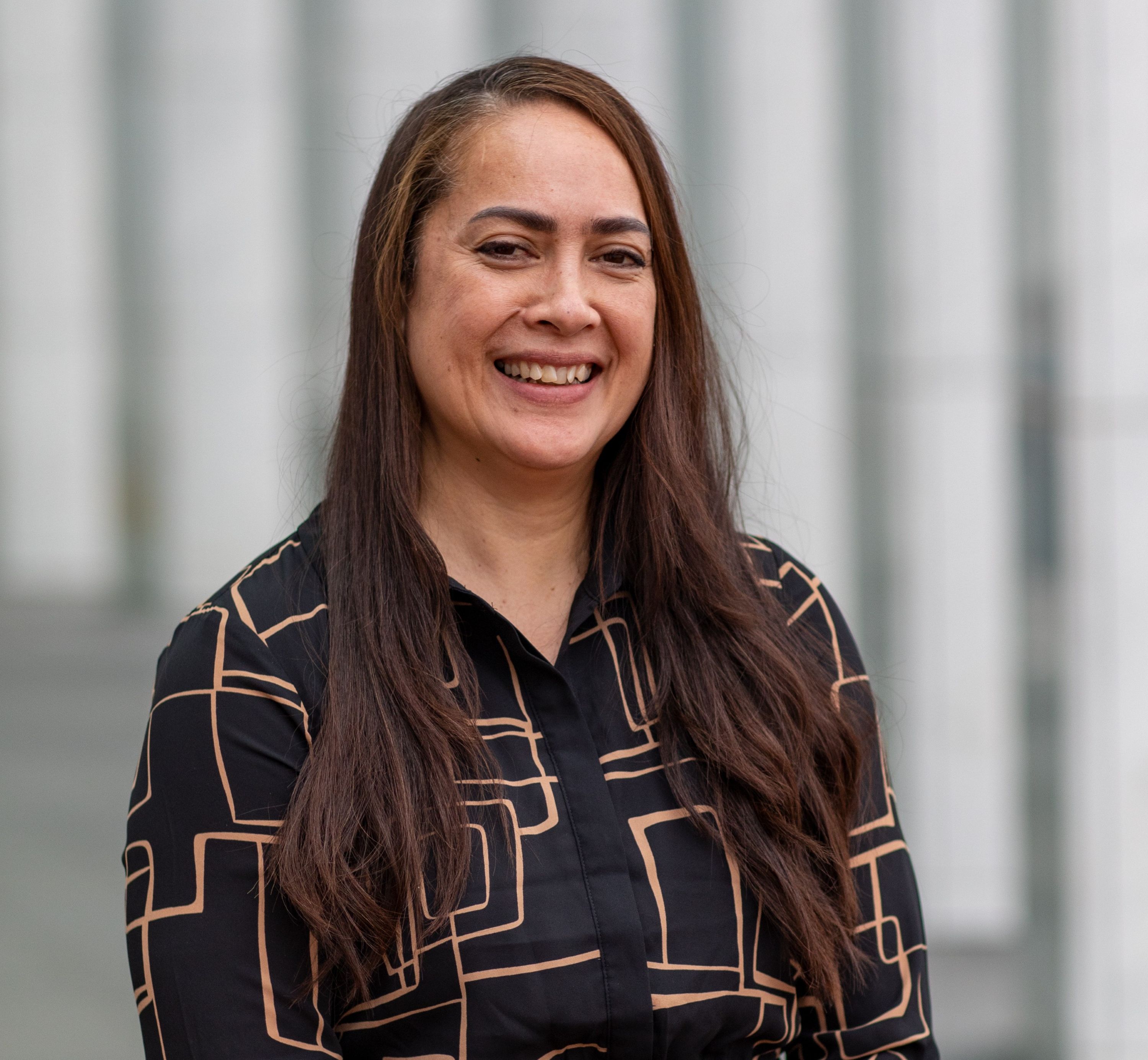
For WLI alumna and education specialist and leader, Soana Kaitapu from Tonga, attending OCIES as a Pacific Islander studying in Australia was a pivotal moment in her academic and leadership journey.
Soana, who has more than 20 years’ experience working with government, academia and NGOs to develop early childhood education in Tonga — and is currently pursuing her Doctor in Philosophy at Victoria University researching ‘Tongan teacher-student engagement: The Faa'i Kavei Koula in Tongan preschools’ — felt the conference affirmed how Pacific educators can articulate their own education frameworks, methods, and solutions grounded in Pacific realities and needs.
“Australia has welcomed newer forms of research methods and approaches but is still predominantly following the traditional style of the West,” says Soana. “For example, the current ‘hot topic’ among many Pacific Island and Indigenous scholars is decolonising education, including the advocacy for validation of Pacific and Indigenous research methods.
However, many conversations I’ve had about decolonising education in the Pacific with non-Pacific Islanders have had to be compared to Indigenous Aboriginal research methods to be fully understood.”
Soana noted however, that several conversations at the conference took a different turn from: “Always looking to the West for enlightenment and solutions to realising that Pacific people can articulate, investigate, justify and formulate responses that are relevant and meaningful to their respective issues.”
This realisation will continue to guide her PhD journey, says Soana, who also credits the conference for giving her the opportunity to develop and flex her existing leadership capabilities.
“The experience supported me tremendously with my leadership skills, forcing me out of my comfort zone, meeting new people from different parts of the world. This is always a challenge for me. I wondered whether I would “say the right thing” among so many accomplished voices. But that’s just a mindset, people turned out to be very welcoming and genuinely interested in what I had to say.”
Inclusive education: a priority area in Tonga
As well as helping her evolve as a leader and inspiring Soana to speak at next year’s conference, she credits this year’s event for sharpening her thinking about the impacts and needs across the Pacific region in terms of education, starting at home in Tonga.
“Working in education since 2011, I’ve witnessed a troubling decline in engagement—evidenced by rising dropout rates, sometimes as early as Year 3. It raises hard questions about whether our content and delivery are meaningful for students’ lives. Technology and AI can feel distant or even threatening in small developing contexts, where community debates often emphasise risks. Yet OCIES made clear that these forces are already shaping our futures. Avoidance won’t protect us; preparedness will. We need to build capacity, policies, and culturally grounded practices that leverage technology for equity while safeguarding wellbeing, language, and culture,” says Soana.
According to Soana, as well as prioritising AI preparedness, inclusive education in Tonga is still at “an emerging stage” and requires a reframe in terms of the medical model often applied which is “still often framed narrowly as access for children with disabilities, and too often interpreted through a medical model that locates the “problem” within the child rather than within systems, environments, and pedagogy.”
Soana references the work of Angelinah Elidads Vira in Vanuatu, as “an exemplary practice for Pacific Island countries interested in creating culturally relevant inclusive education.”
“Through her research, Mrs Vira found that Ni-Vanuatu(s) who cannot speak have made up their own sign in order to communicate with others. Instead of bringing international sign languages, she collected all these signs in order to create a repository of signs to be officially used in Vanuatu. She worked closely with Auslan counterparts to put together this incredible milestone for Vanuatu,” says Soana.
Shaping a brighter future
Soana is certain that Pacific futures depend on Pacific-led knowledge, and as she looks to the future, she says she hopes to deepen her practice in Pacific methodologies, cultivate networks that turn connection into collaboration, and align her leadership with the tangible needs of communities in Tonga and across the Pacific.
“We must lead on awareness, skills-building, and enabling systems that protect safety, wellbeing, quality education and sustainability of each country, its people, language and culture,” says Soana.
****
The Ben Isikel e-Library in Papua New Guinea — established by WLI alumni Luanne Borle, delivers offline access to high-quality learning materials was also showcased the conference. Read more about this initiative here.
Through the WLI Leaders Hub, alumni of the Women's Developmental Leadership Program like Soana apply for and access workplace internships and professional development opportunities, including supported participation in international programs.